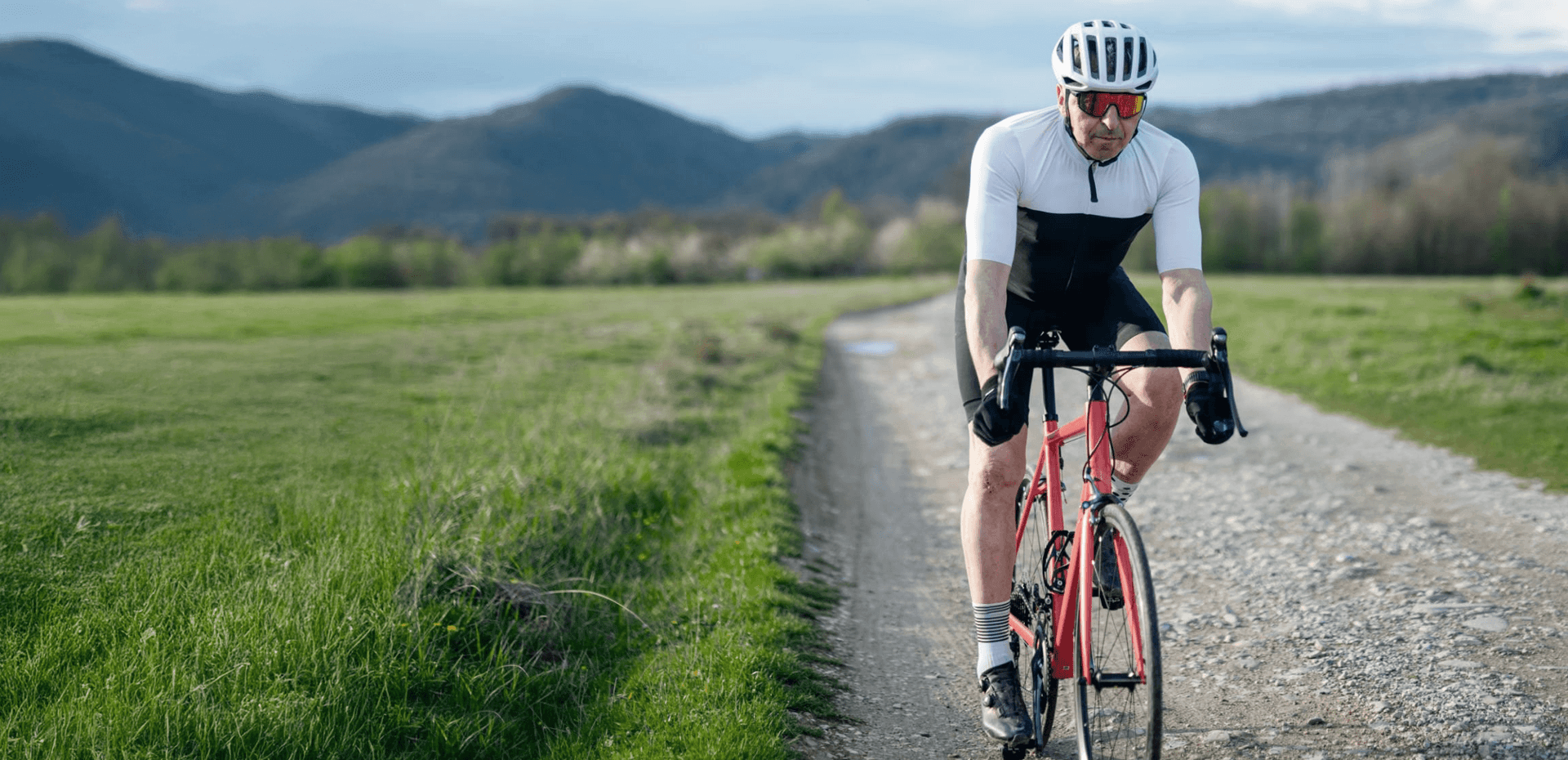
Core Value: Balancing Extreme Lightweight Design with Structural Rigidity
Yeu Chueh combines advanced aluminum forming, carbon fiber integration, and long-term bicycle industry experience to support lightweight, high-performance bicycle components from concept development through mass production.
Table of Contents
Hydroformed Aluminum Bars & Frame Tubes
Utilizing state-of-the-art Hydroforming technology, we push the boundaries of aluminum alloy. By precisely controlling wall thickness and creating complex, aerodynamic geometries, we provide frames and components that maximize stiffness-to-weight ratios, ensuring high performance for both competitive racing and rugged mountain biking.
Beyond weight reduction, hydroforming also enables engineers to reinforce high-stress zones while optimizing material distribution across the tube. This gives greater flexibility in frame geometry and component design, helping achieve the required balance between structural rigidity, durability, ride performance, and overall product weight.
Integrated Carbon Fiber Handlebars
Designed for high-end cycling markets, our integrated carbon fiber solutions feature optimized layup patterns to dampen road vibrations and reduce fatigue. These designs support full internal cable routing, merging sleek aesthetics with superior aerodynamic efficiency.
By integrating the handlebar and stem into a unified structure, the design can reduce unnecessary joints and improve overall system integration. Layup configuration, tube profile, cable routing, ergonomics, and stiffness targets can also be evaluated together to support performance-oriented bicycle designs with cleaner appearance and more efficient packaging.
Bicycle Industry Applications
Building on its long-standing experience in the bicycle industry, Yeu Chueh supports tubing development for a wide range of bicycle platforms, including road bikes, mountain bikes, folding bikes, and e-bikes.
Depending on the structural and weight requirements of each project, tubing solutions can incorporate double- or triple-butted designs as well as customized profiles such as tapered, oval, and teardrop-shaped sections. For e-bike applications, reinforced tube designs can also be developed to accommodate additional loads around motor mounting areas, battery integration zones, and other structural sections.
Yeu Chueh can also participate during the early stages of bicycle product development, working with frame designers and OEM customers on material selection, wall-thickness configuration, dimensional tolerances, forming feasibility, welding considerations, and prototype evaluation.
By addressing these factors before tooling and mass production, potential manufacturing issues can be identified earlier, helping reduce design revisions and improve consistency from prototype development through volume production.
E-Bike Structural Requirements
As e-bike systems introduce additional weight from motors, batteries, and reinforced drive components, tubing design must account for higher localized loads and more demanding structural conditions.
Yeu Chueh can support the development of reinforced aluminum tubing for key areas such as motor mounting zones, battery integration sections, and primary load-bearing structures. Through wall-thickness optimization, profile design, hydroforming, and forming-process evaluation, the tube structure can be adapted to improve stiffness and durability while controlling unnecessary weight.
These considerations are especially important when developing e-bike frames that must balance structural strength, component integration, riding performance, and overall system weight.
From Prototype to Mass Production
Successful bicycle component development requires more than producing a tube that matches the drawing. Material behavior, forming feasibility, dimensional control, welding conditions, tooling requirements, and inspection methods must all be verified before stable mass production can begin.
Yeu Chueh can support customers from early material and tube-design evaluation through sample development, prototype verification, process adjustment, and volume production. By identifying manufacturing risks before tooling and mass production, design changes can be reduced and production consistency can be improved.
This development approach helps bicycle brands, frame designers, and OEM customers move from concept to production with greater control over quality, manufacturability, and project efficiency.
